.png?width=568&height=196&name=TABL%20Logo%20(Flipped).png)



Opening a restaurant is one of the riskiest ventures you can take. You’ve got rent, permits,...
Running a busy restaurant in North America quickly reveals how juggling orders, payments, and kitchen communication can overwhelm even experienced managers. With so many moving parts to coordinate, miscommunication and delays can eat into profits and customer satisfaction. A modern POS system acts as the central communication hub integrating order management, inventory tracking, and payment processing to keep operations running smoothly. Discover how the right platform can simplify daily tasks, reduce mistakes, and put you in control of your restaurant’s future.
Table of Contents
- Defining Restaurant POS Systems
- Popular Types And Key Differences
- How POS Solutions Streamline Operations
- Critical Features For Modern Restaurants
- Cost Considerations And Common Mistakes
Key Takeaways
| Point | Details |
|---|---|
| Importance of Restaurant POS Systems | A modern restaurant POS system integrates various operations, improving efficiency and enabling data-driven decision-making. |
| Cloud-Based vs. Legacy Systems | Cloud-based POS systems offer flexibility, lower costs, and easier scalability compared to traditional legacy systems. |
| Operational Streamlining | Effective POS platforms connect front and back-of-house functions, minimizing errors and enhancing service speed. |
| Comprehensive Cost Planning | Restaurant owners must understand all costs associated with POS implementation, including hidden expenses, to ensure financial sustainability. |
Defining Restaurant POS Systems
A restaurant point of sale (POS) system is far more than just a digital cash register. It represents a comprehensive technological platform designed to manage multiple aspects of restaurant operations simultaneously. Modern restaurant management platforms act as central communication hubs that integrate hardware and software to streamline every critical business function.
These sophisticated systems typically include several core capabilities:
- Order processing and tracking
- Payment transaction management
- Kitchen communication routing
- Inventory monitoring
- Customer relationship tracking
- Financial reporting and analytics
At its core, a restaurant POS system serves as the technological backbone connecting front-of-house service staff with back-of-house kitchen operations. By creating seamless digital communication channels, these systems dramatically reduce human error, improve service speed, and provide real-time operational insights that help restaurant managers make data-driven decisions.
A well-implemented POS system can transform restaurant efficiency, turning complex operational challenges into streamlined, manageable processes.
Modern POS platforms leverage emerging technologies like cloud computing and artificial intelligence to provide increasingly sophisticated management tools. Advanced restaurant management technologies enable restaurants to track everything from ingredient inventory to customer preferences with unprecedented precision.
Pro tip: When selecting a restaurant POS system, prioritize platforms that offer seamless integrations and scalable features that can grow alongside your business.
Popular Types and Key Differences
Restaurant POS systems primarily fall into two fundamental categories: legacy systems and cloud-based systems. Restaurant technology platforms have evolved significantly, offering distinct approaches to managing restaurant operations and technology infrastructure.
The key differences between these systems include:
-
Legacy Systems:
- Local data storage
- Substantial upfront hardware investments
- Limited remote access capabilities
- Typically require on-site maintenance
-
Cloud-Based Systems:
- Internet-based data storage
- Lower initial setup costs
- Flexible device access
- Automatic software updates
- Scalable infrastructure
Cloud-based restaurant solutions have gained tremendous popularity due to their enhanced flexibility and comprehensive feature sets. These modern platforms enable restaurant managers to access critical business data from anywhere, providing unprecedented operational insights and management capabilities.
Modern restaurant technology transforms traditional operational constraints into dynamic, adaptable business management tools.
Traditional legacy systems often require significant hardware investments and complex installation processes. In contrast, cloud-based systems offer seamless integration, real-time data synchronization, and advanced features like inventory tracking, customer relationship management, and comprehensive financial reporting.
Here’s a comparison of legacy and cloud-based restaurant POS systems for quick reference:
| Aspect | Legacy POS Systems | Cloud-Based POS Systems |
|---|---|---|
| Data Access | Only on-site, limited remote capability | Remote access from any device |
| Maintenance | Requires on-site technical support | Automatic updates and remote support |
| Scalability | Costly to upgrade hardware or software | Easily scalable for growth |
| Installation Time | Long, complex process | Fast, streamlined setup |
Pro tip: When evaluating POS systems, prioritize platforms that offer robust integration capabilities and demonstrate scalability for your specific restaurant model.
How POS Solutions Streamline Operations
Restaurant POS systems transform operational efficiency by connecting multiple critical business functions into a seamless digital ecosystem. Restaurant order management technologies dramatically reduce manual processes and minimize human error across various operational domains.
Key operational streamlining capabilities include:
-
Order Processing:
- Automated routing from servers to kitchen
- Real-time order tracking
- Complex customization management
- Reduced communication errors
-
Payment Handling:
- Multiple tender type support
- Contactless payment integration
- Instant transaction reconciliation
- Simplified financial reporting
The integration of operational management systems enables restaurants to optimize resource allocation, track inventory in real-time, and make data-driven decisions. These platforms provide comprehensive insights that were previously impossible to gather manually, transforming how restaurants approach daily operations.
Effective restaurant technology turns complex operational challenges into streamlined, manageable workflows.
Modern POS solutions go beyond basic transaction processing. They create interconnected systems that link front-of-house service, kitchen production, inventory management, and financial reporting into a unified platform. This holistic approach allows restaurant managers to monitor performance, identify bottlenecks, and make immediate strategic adjustments.

Pro tip: Select a POS system that offers comprehensive reporting features and seamless third-party integrations to maximize operational flexibility.
Critical Features for Modern Restaurants
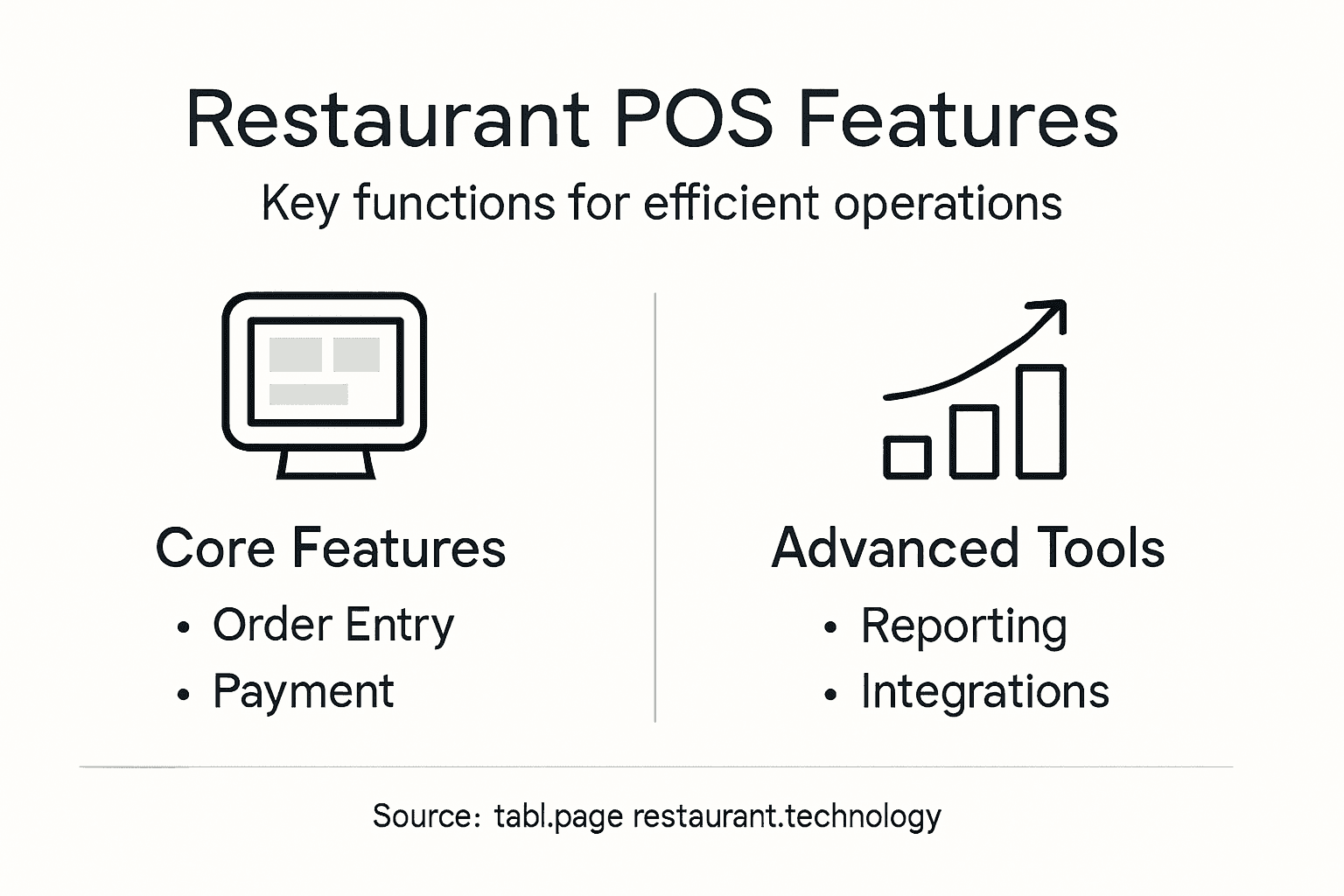
Restaurant POS systems have evolved far beyond simple transaction processing, becoming comprehensive business management platforms. Advanced restaurant technology solutions now integrate multiple critical operational functions into a single, powerful system.
Key features that define modern restaurant POS platforms include:
-
Operational Management:
- Real-time inventory tracking
- Employee scheduling and management
- Performance analytics
- Labor cost optimization
-
Customer Experience Features:
- Multiple payment method support
- Mobile wallet integration
- Loyalty program management
- Personalized customer relationship tracking
Restaurant technology platforms now offer unprecedented flexibility through cloud-based architectures that enable remote management, instant updates, and seamless integrations across multiple restaurant functions. These sophisticated systems transform how restaurants approach daily operations, providing data-driven insights that were previously impossible to gather.
Modern restaurant technology turns complex operational challenges into strategic business advantages.
The most advanced POS systems go beyond traditional transaction recording. They create intelligent ecosystems that connect ordering, kitchen production, inventory management, financial reporting, and customer engagement into a unified platform. This holistic approach empowers restaurant managers to make real-time decisions, optimize resources, and create more personalized dining experiences.
Pro tip: Select a POS system with robust reporting capabilities and scalable features that can adapt to your restaurant’s unique operational needs.
Below is a summary of essential POS features and their impact on restaurant operations:
| POS Feature | Description | Business Impact |
|---|---|---|
| Real-time Inventory | Tracks stock levels instantly | Reduces waste, prevents shortages |
| Employee Management | Schedules and monitors staff | Boosts productivity, controls labor costs |
| Mobile Payments | Supports contactless transactions | Speeds service, increases convenience |
| Loyalty Program Integration | Manages rewards and customer data | Improves retention, boosts repeat visits |
Cost Considerations and Common Mistakes
Restaurant POS implementation involves complex financial considerations that extend far beyond initial purchase prices. Restaurant technology investment strategies reveal multiple hidden expenses that restaurant owners must carefully evaluate before making a commitment.
Key cost components and potential financial pitfalls include:
-
Upfront Expenses:
- Hardware infrastructure costs
- Software licensing fees
- Initial setup and configuration
- Professional installation services
-
Ongoing Expenses:
- Monthly subscription fees
- Technical support contracts
- Software update charges
- Employee training programs
Restaurant system implementation challenges frequently arise from underestimating total cost of ownership and failing to plan for long-term scalability. Many restaurants discover unexpected expenses after initial deployment, which can significantly impact their technology budget and operational efficiency.
Comprehensive financial planning is crucial to avoiding unexpected technology investment setbacks.
Successful POS system selection requires a holistic approach that evaluates not just immediate costs, but potential long-term returns. Restaurant owners must consider system flexibility, integration capabilities, and potential productivity gains when making their investment decisions.
Pro tip: Request detailed pricing breakdowns and total cost of ownership projections from multiple vendors before committing to a specific restaurant POS platform.
Unlock Seamless Restaurant Operations with the Right POS Solution
The article highlights the critical role of a restaurant POS system in transforming complex daily challenges into smooth, efficient workflows. It reveals how outdated legacy systems with limited remote access and high maintenance costs can hold your business back. Your goal is clear—a flexible, scalable platform with real-time inventory tracking, integrated order management, and effortless payment processing to boost both operational efficiency and customer satisfaction.
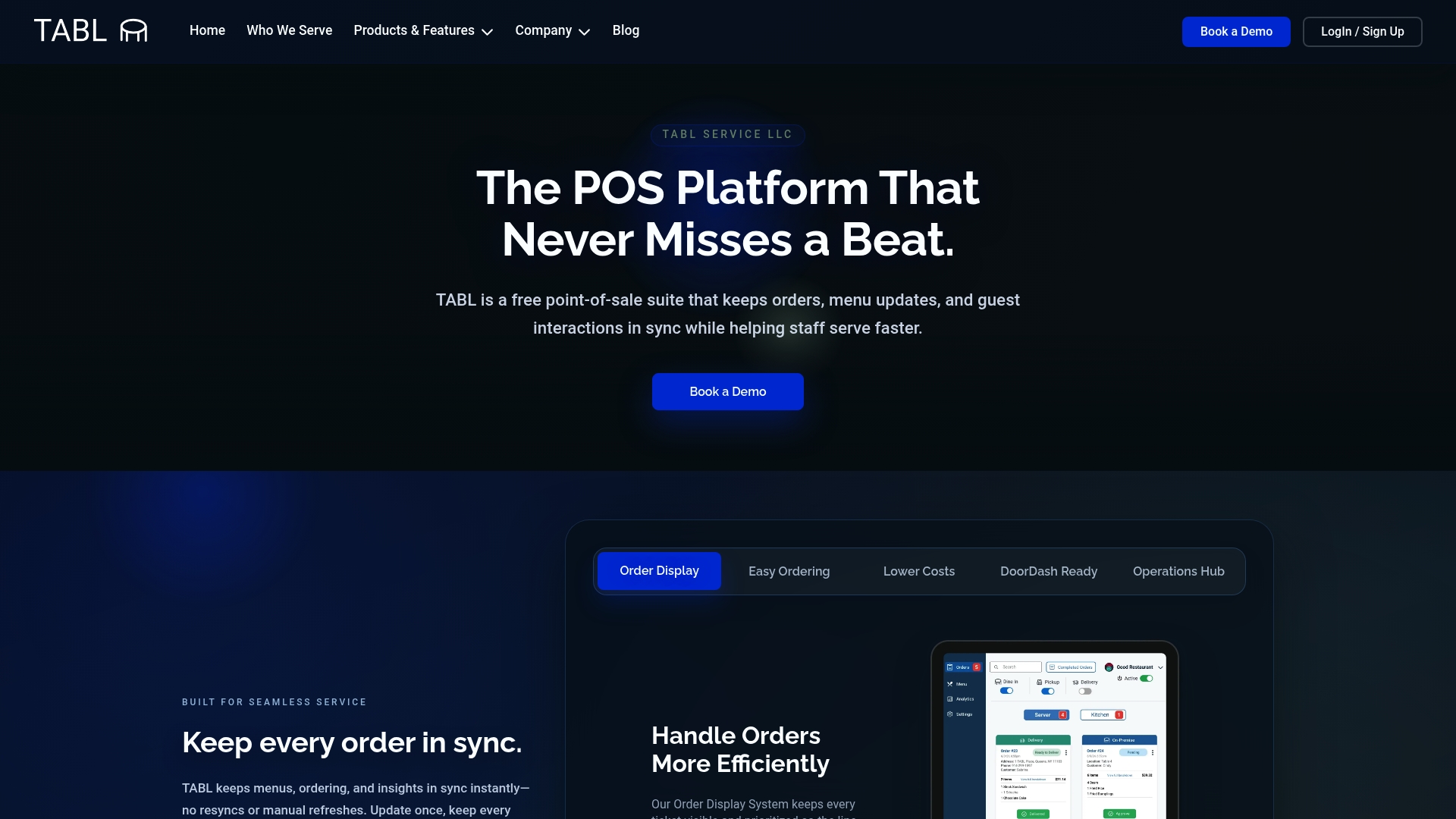
Discover how tabl.page delivers exactly this by offering a comprehensive, cloud-based restaurant POS platform designed to unify dine-in, pickup, and delivery channels. Our user-friendly interface supports real-time updates for kitchen staff and front-of-house teams, empowering you to reduce errors, accelerate service, and gain valuable business insights. Don’t let hidden costs or fragmented technology slow your growth. Take control of your restaurant’s future now by exploring our all-in-one solution tailored for your unique needs.
Experience the power of modern restaurant technology by visiting tabl.page today and start optimizing your operations with confidence.
Frequently Asked Questions
What is a restaurant POS system?
A restaurant POS (Point of Sale) system is a comprehensive technological platform that manages various aspects of restaurant operations, including order processing, payment transactions, inventory monitoring, and customer relationship tracking.
How do cloud-based POS systems differ from legacy systems?
Cloud-based POS systems store data online, offer lower initial costs, flexible access from various devices, and automatic updates, while legacy systems rely on local data storage, require substantial upfront investment, and have limited remote access.
How can a POS system improve restaurant efficiency?
A POS system streamlines operations by integrating order processing, payment handling, inventory management, and customer engagement into one platform, reducing manual errors and allowing for real-time data insights.
What are some critical features to look for in a modern restaurant POS system?
Key features include real-time inventory tracking, employee management, multiple payment method support, and loyalty program integration, which help enhance operational efficiency and improve customer experience.
.png?height=200&name=Most%20POS%20Systems%20Don%E2%80%99t%20Fit%20New%20Restaurants%20(300%20x%20175%20px).png)